
Early Years Foundation Stage (EYFS)
BackJesus said, “Let the little children come to me, and do not hinder them, for the kingdom of heaven belongs to such as these” (Matthew 19:14).
RE in the Early Years Foundation Stage
Children will begin to explore the world of religion in terms of special people, books, times, places and objects and by visiting places of worship. They listen to and talk about stories from the Bible. They are introduced to religious words where appropriate and use their senses in exploring religions and beliefs, practices and forms of expression. They reflect on their own feelings and experiences; using their imagination and curiosity to develop their appreciation and wonder of the world in which they live.
Religious Education makes an active contribution to all areas but has a particularly important contribution to make to:
Personal, Social and Emotional Development
- Children use some stories from religious traditions as a stimulus to reflect on their own feelings and experiences and explore them in various ways.
- Using a story as a stimulus, children reflect on the words and actions of characters and decide what they would have done in a similar situation. They learn about the story and its meanings through activity and play.
- Using role-play as a stimulus, children talk about some of the ways that people show love and concern for others and why this is important.
- Children think about issues of right and wrong and how humans help one another.
Communication and Language
- Children have opportunities to respond creatively, imaginatively and meaningfully to memorable experiences.
- Using a religious celebration as a stimulus, children talk about special events associated with the celebration.
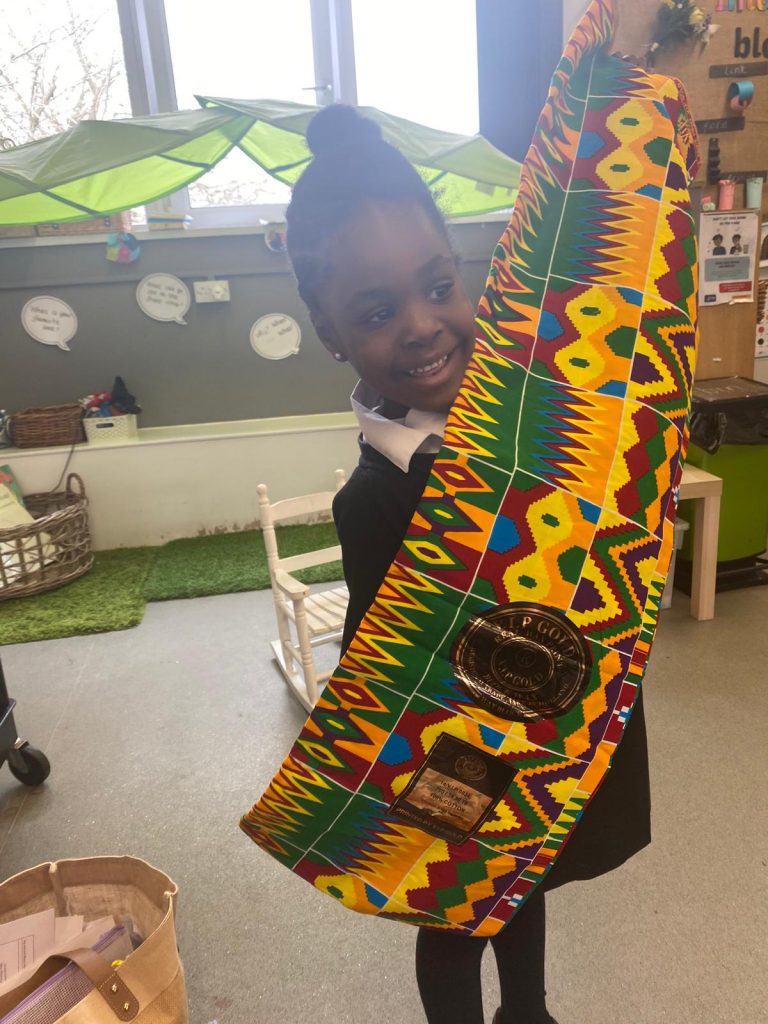
- Through artefacts, stores and music, children learn about important religious celebrations.
Understanding of the World
- Children ask and answer questions about religion and culture, as they occur naturally within their everyday experiences.
- Children visit places of worship.
- They listen to and respond to a wide range of religious and ethnic groups.
- They handle artefacts with curiosity and respect.
Expressive Arts and Design
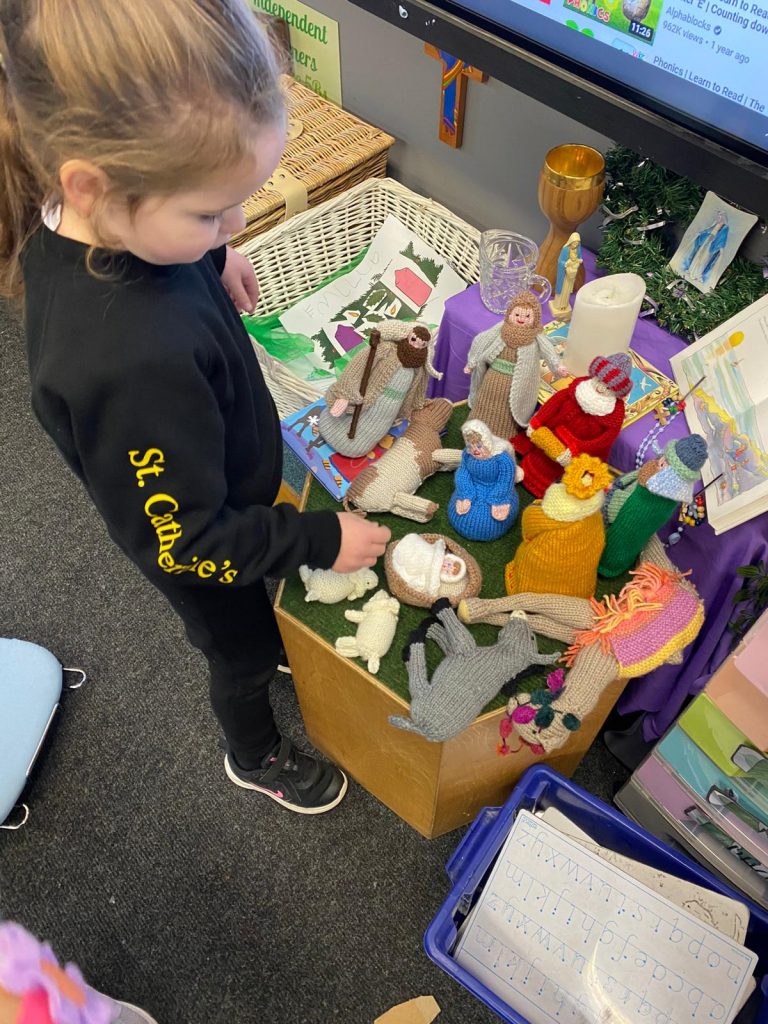
- Using religious artefacts as a stimulus, children think about and express meanings associated with the artefact.
- Children share their own experiences and feelings and those of others, and are supported in reflecting on them
- associated with the celebration.
- Through artefacts, stores and music, children learn about important religious celebrations.
Intent
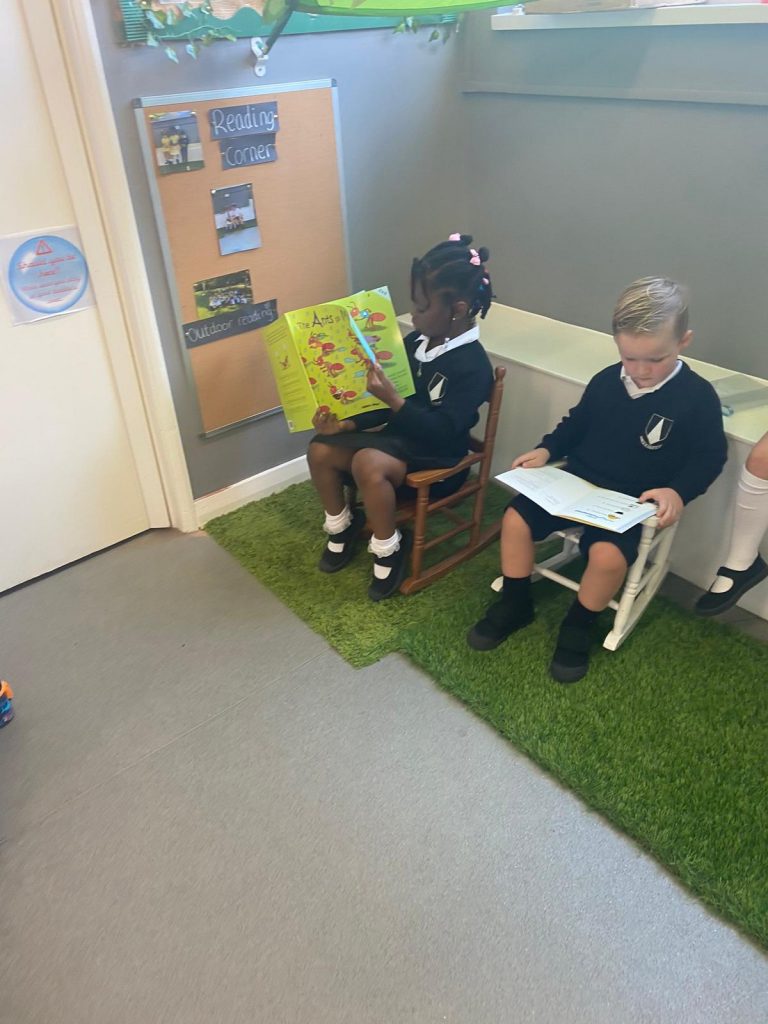
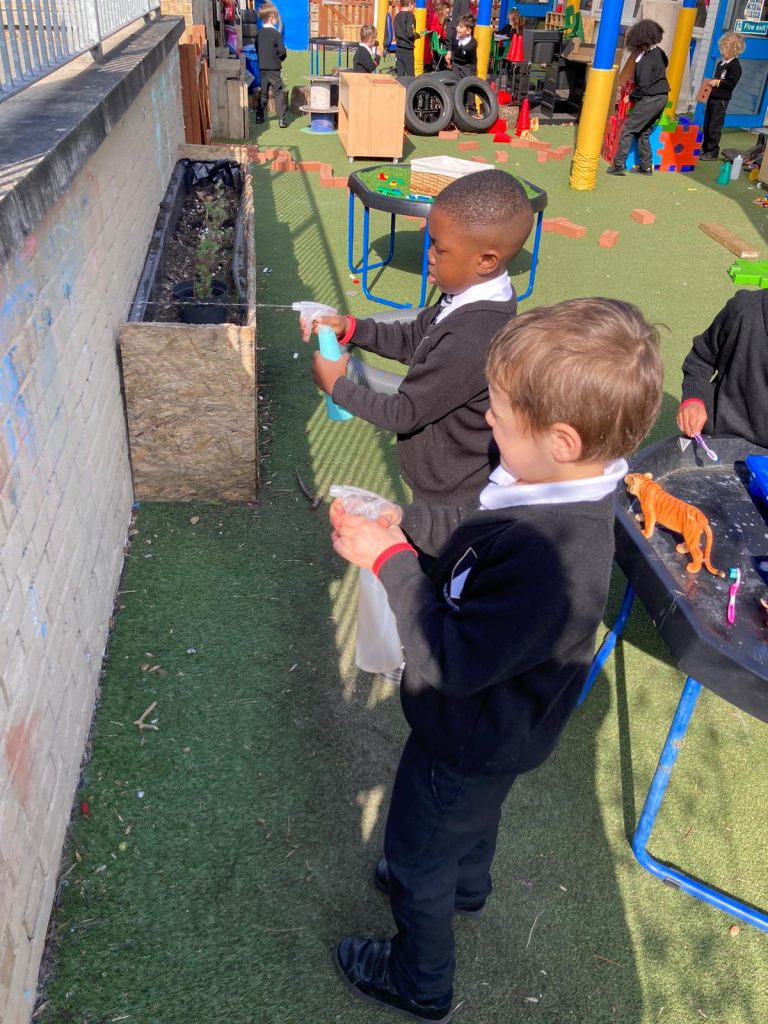
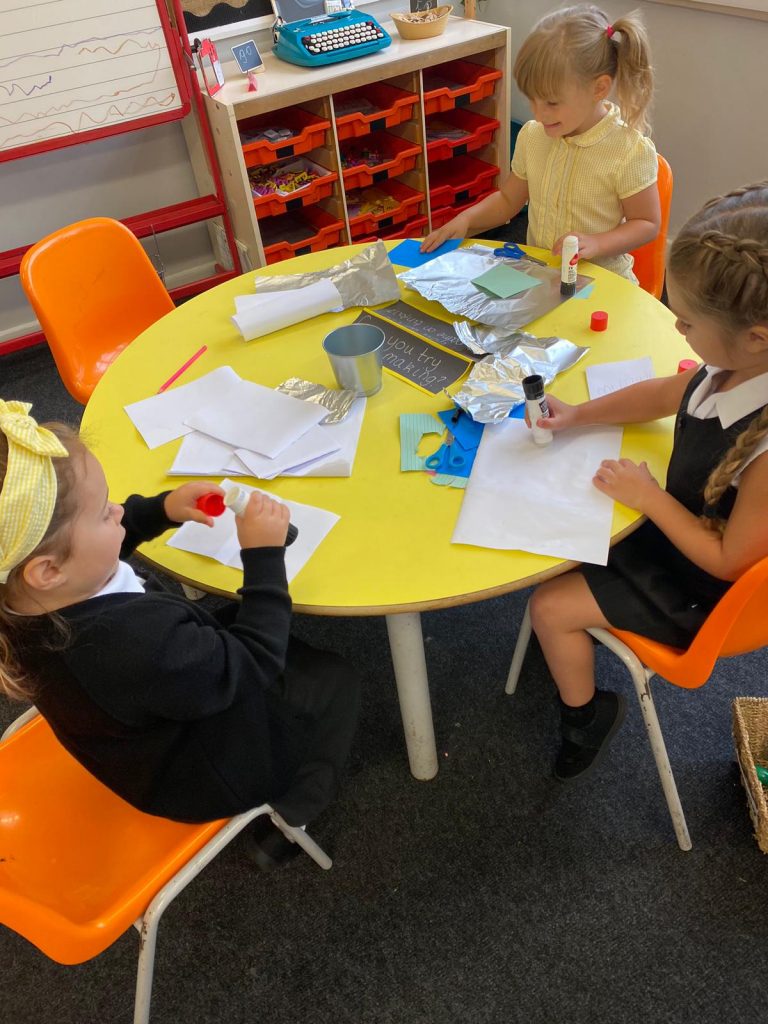
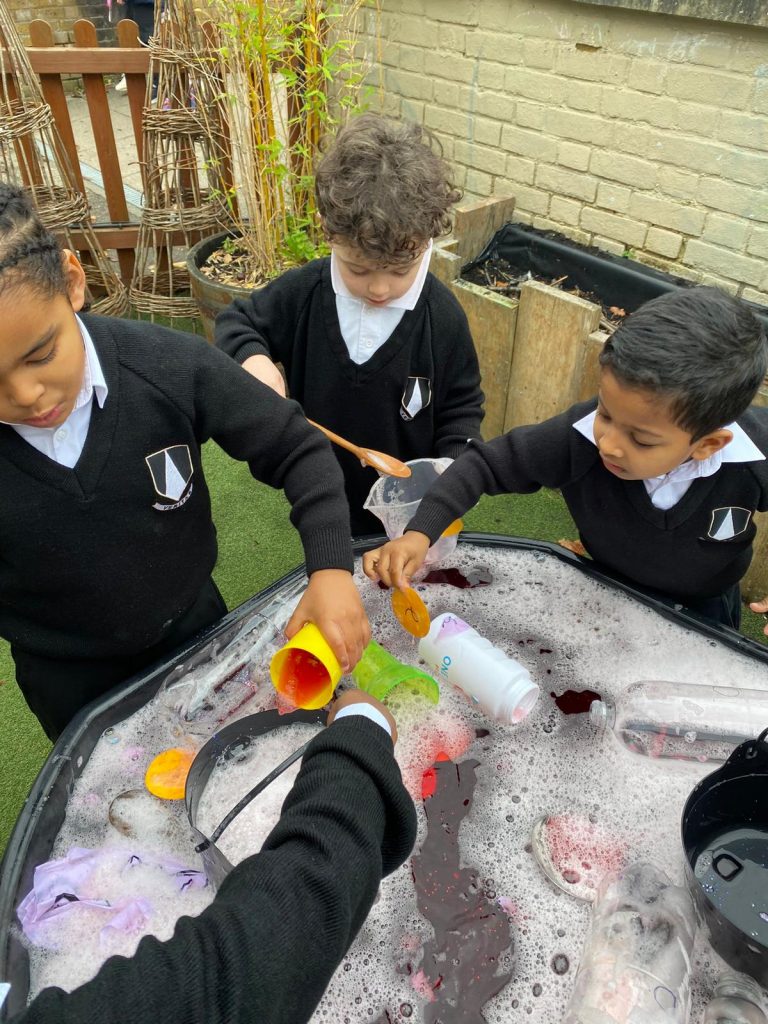
Our vision for the EYFS at St Catherines is for a highly stimulating environment, which provides rich, varied and imaginative experiences, where teaching inspires and is highly responsive to children’s needs.
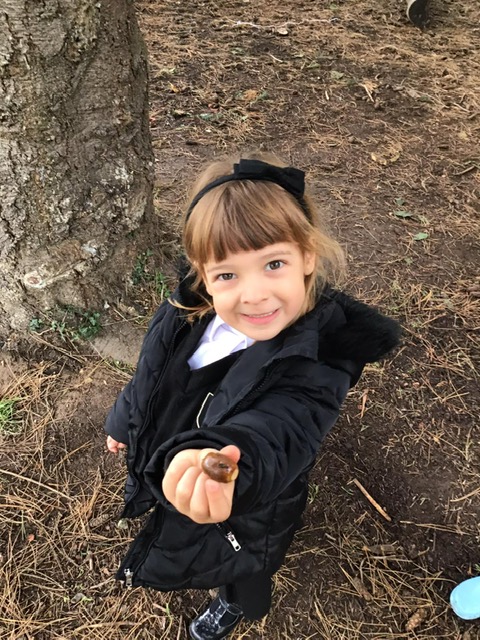
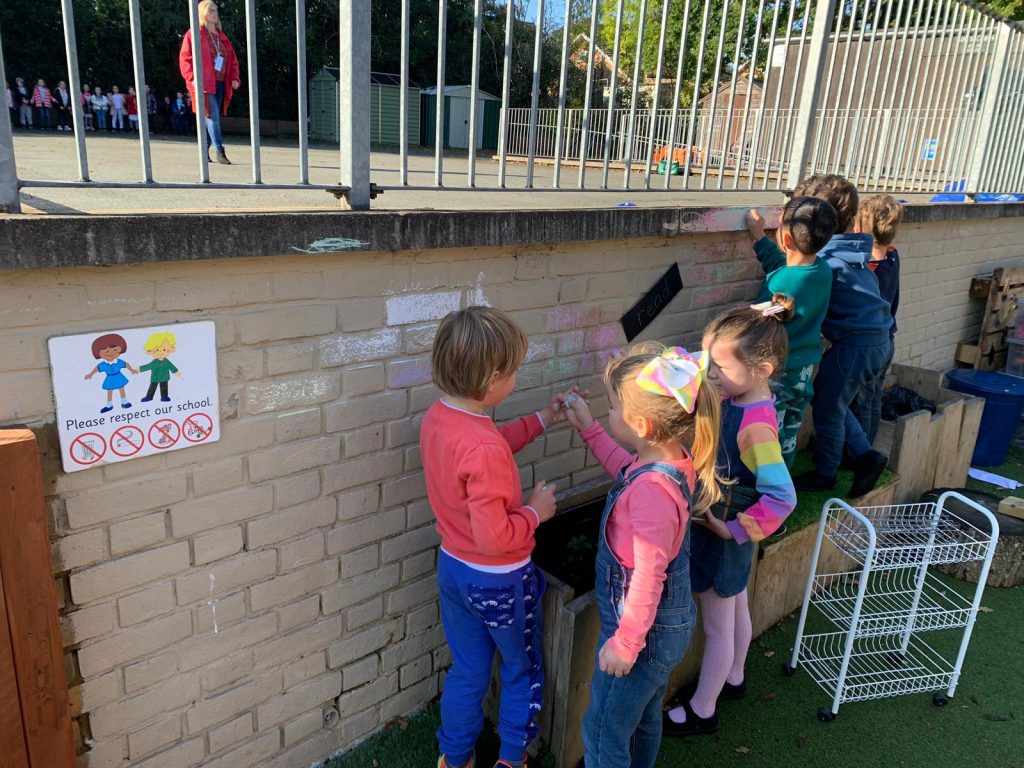
We want our pupils to be surrounded by natural materials and resources in an interesting and ever-changing environment, to help develop their curiosity, provide opportunities for them to ask questions, and talk about things they have discovered.
Starting school is an exciting time: a time of new experiences, new friends and new places. Our school days provide a secure and anxiety-free environment where our children can play, explore, experiment, investigate and learn. We encourage the children to acquire skills and knowledge through first-hand experience, gaining a sound understanding of the world around them.
Implementation
EYFS follows the Early Years Statutory Framework for the Early Years Foundation Stage.
This Framework specifies the requirements for learning and development in the Early Years and it is organised into seven ‘Areas of Learning and Development’
Prime Areas
· Personal, Social and Emotional Development
· Physical Development
· Communication and Language development
Specific Areas
· Literacy
· Mathematics
· Understanding the World
· Expressive Arts and Design
Through a well organised, stimulating environment, the children will organise their own play and will demonstrate positive characteristics of effective learning – playing and exploring (engagement), active learning (motivation) and creating and thinking critically (thinking). We plan a broad and balanced curriculum that values children’s prior learning and cultural backgrounds.
Here is an example of what a typical day looks like in our Reception class:
| 8.45 – 9.10 | Fidgety Fingers Registration Morning prayer | We start the morning with fidgety fingers to give the children a chance to practise vital fine motor skills, whilst easing themselves into the school day. The children work in small groups to complete different daily activities before we gather for the register and morning prayer. |
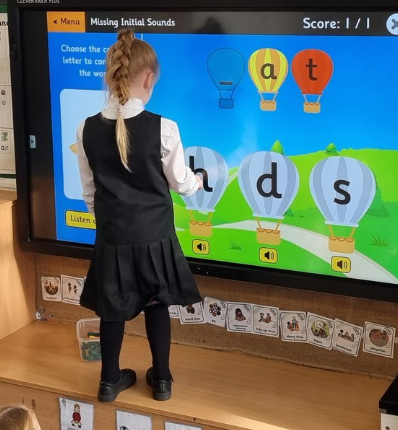
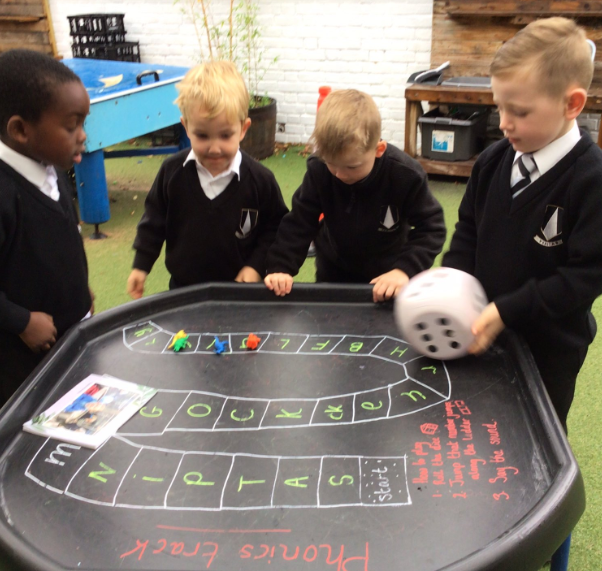
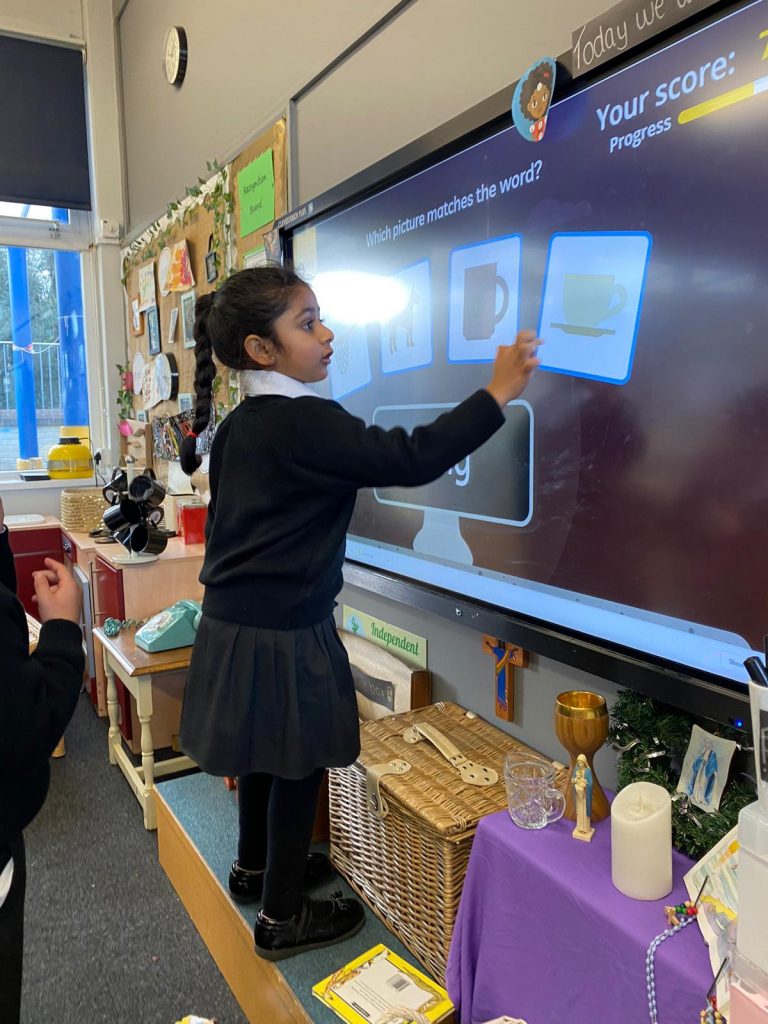
| 9.10 – 9.30 | Daily Phonics Lesson | The children complete a daily phonics session, recapping their previous knowledge and learning new sounds. During ‘child initiated learning’ or Discovery time children will be able to access carefully planned tasks to apply their new learning. |
| Wake and Shake | A fast paced, energetic 5 mins for children to stretch and get ready to focus for the next session. | |
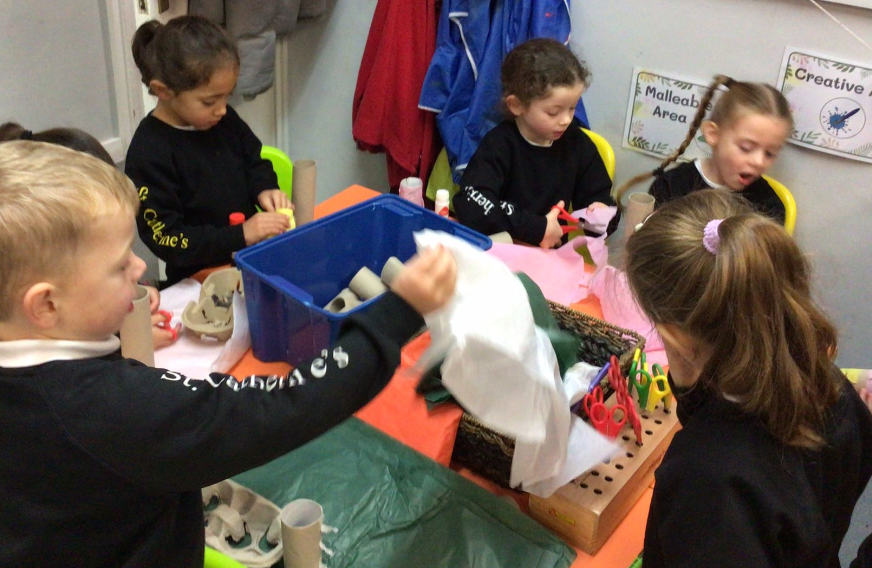
| 9.30 – 9.45 | Input/direct teaching | During this time we are teaching children various skills which they can take away and apply during their Discovery time. This could vary from how to form letters to using scissors safely. |
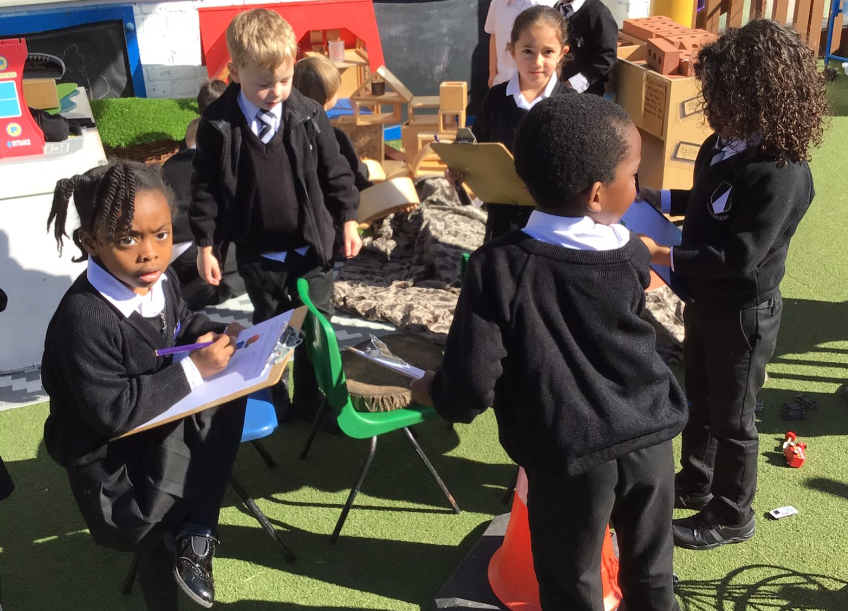
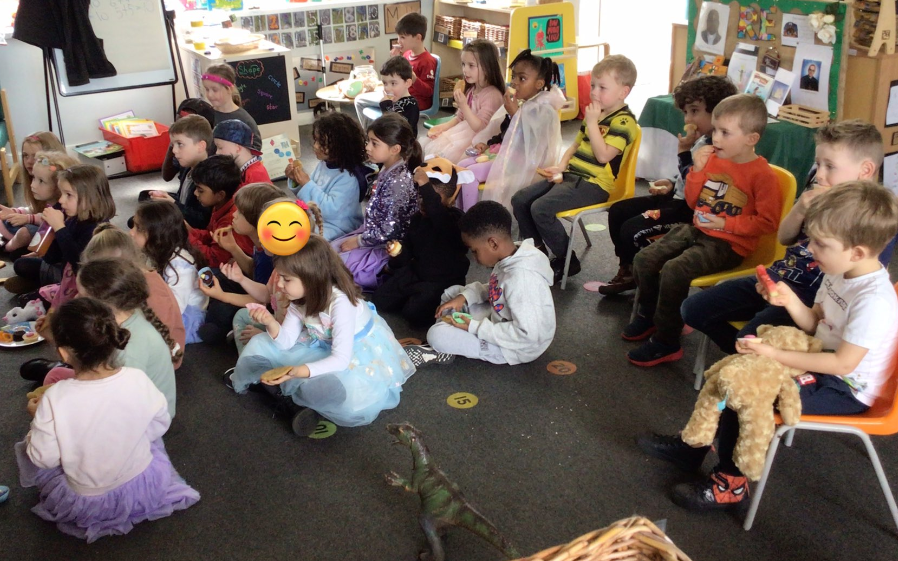
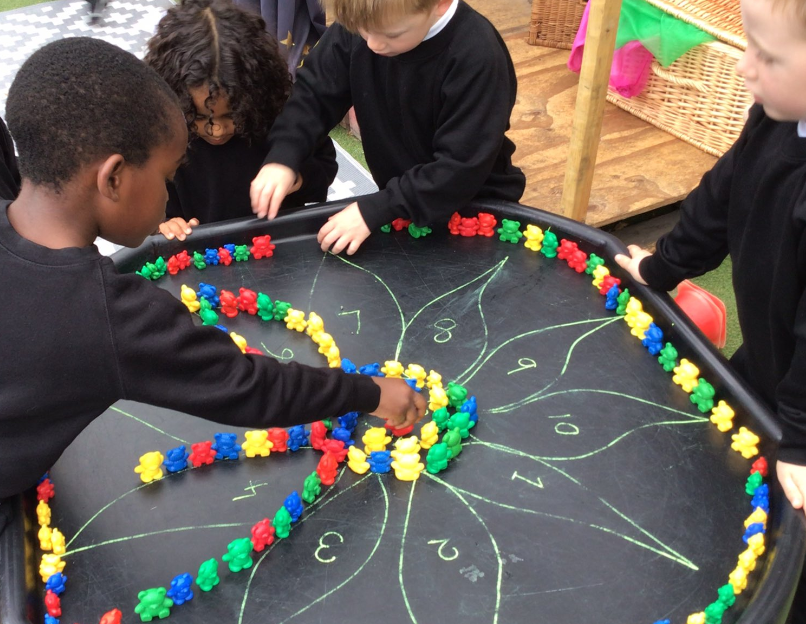
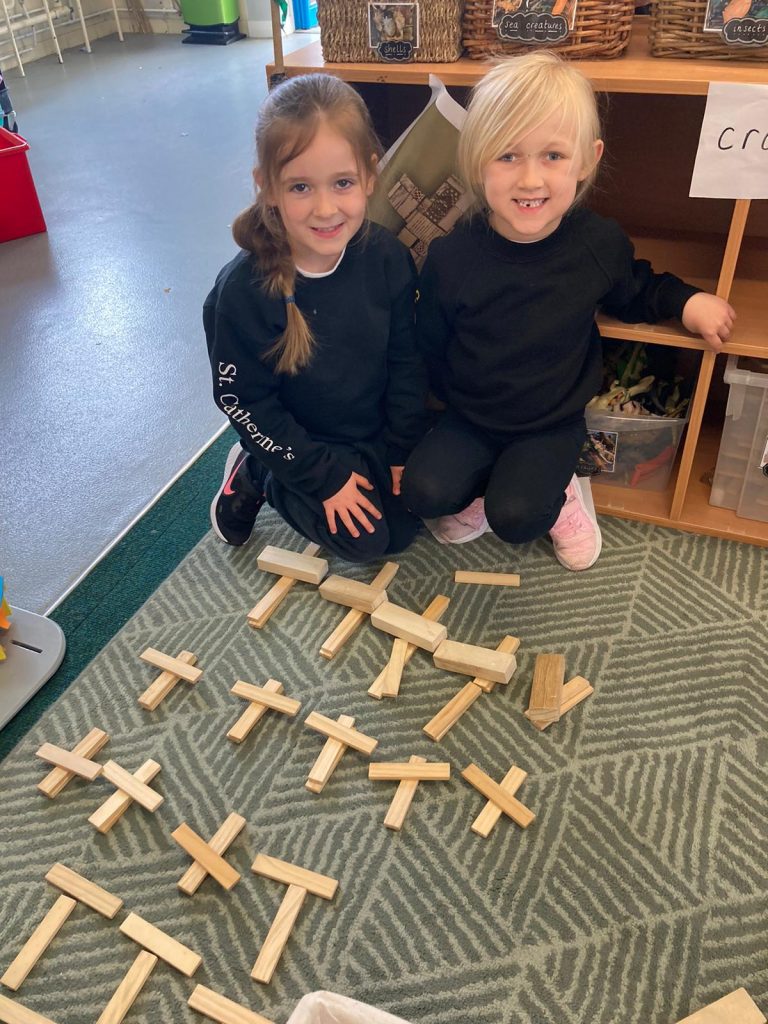
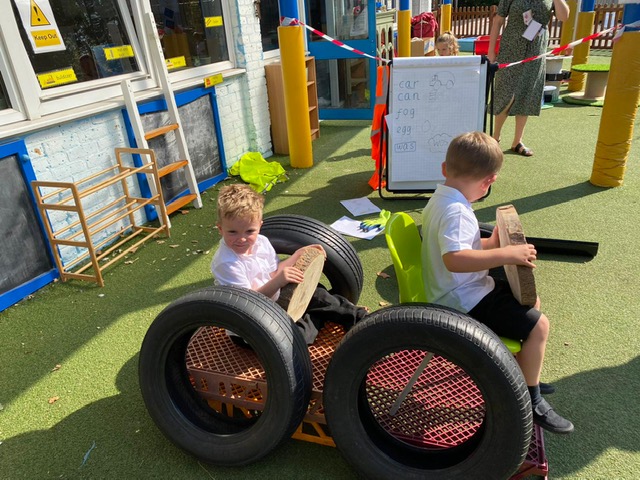
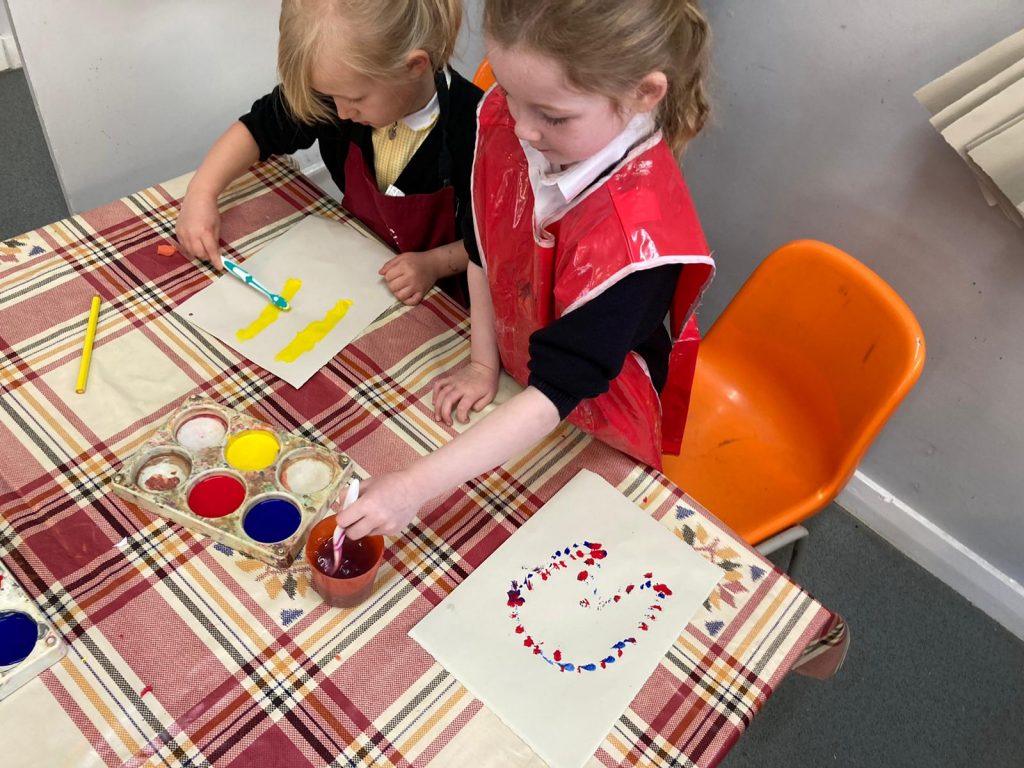
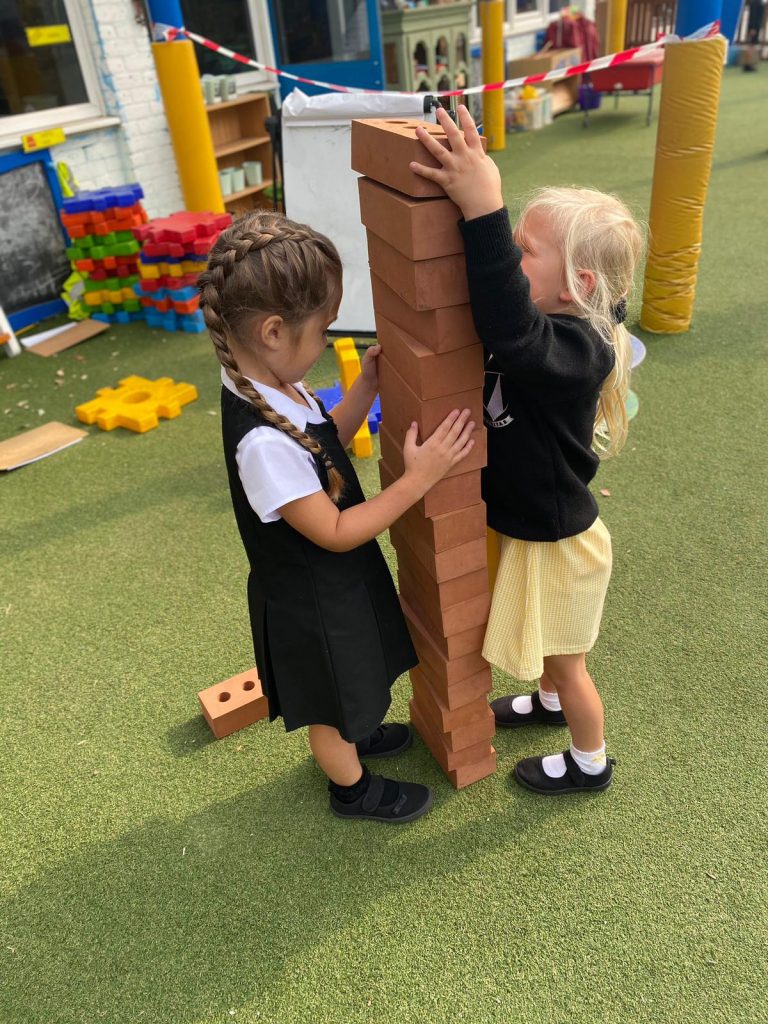
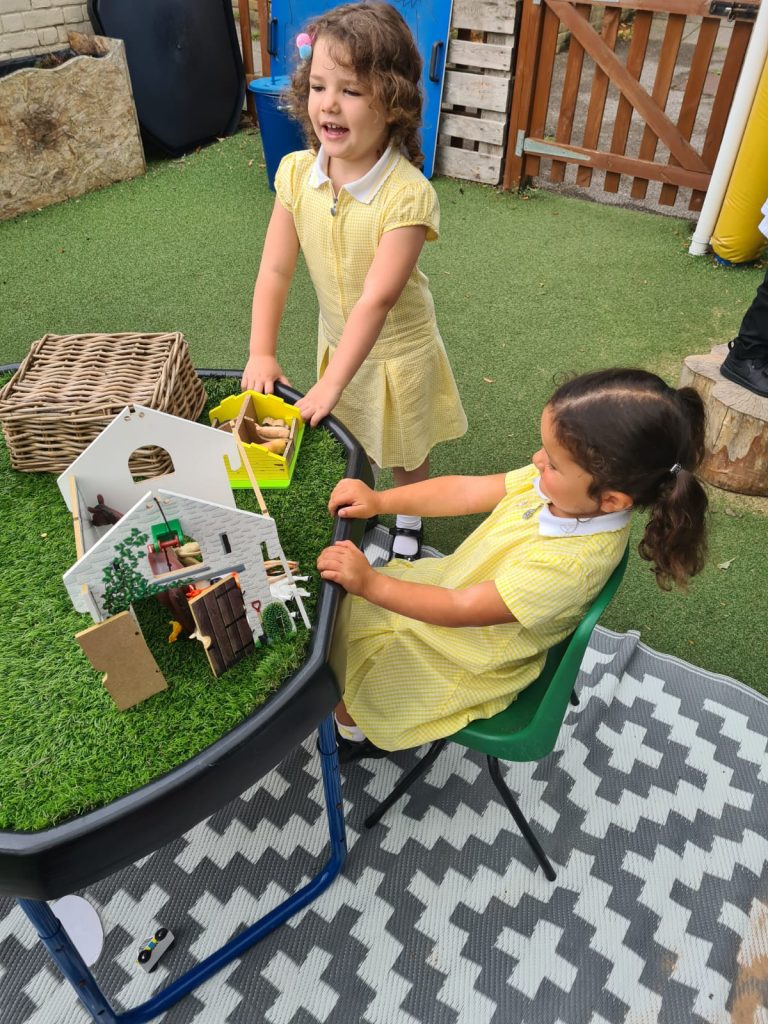
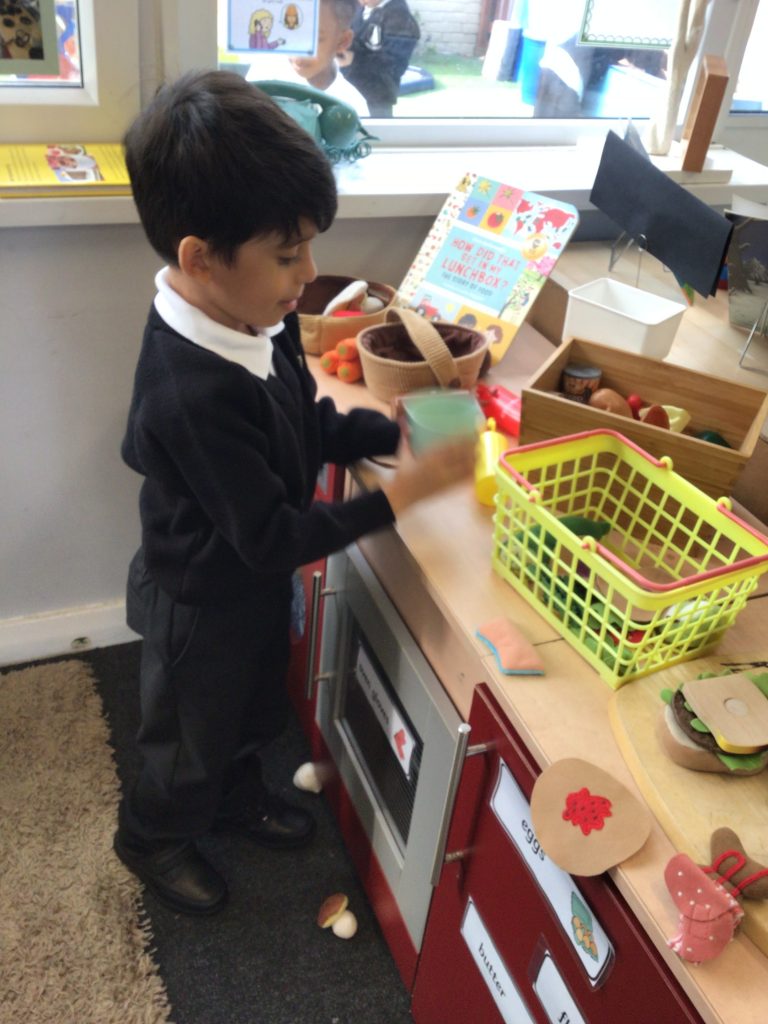
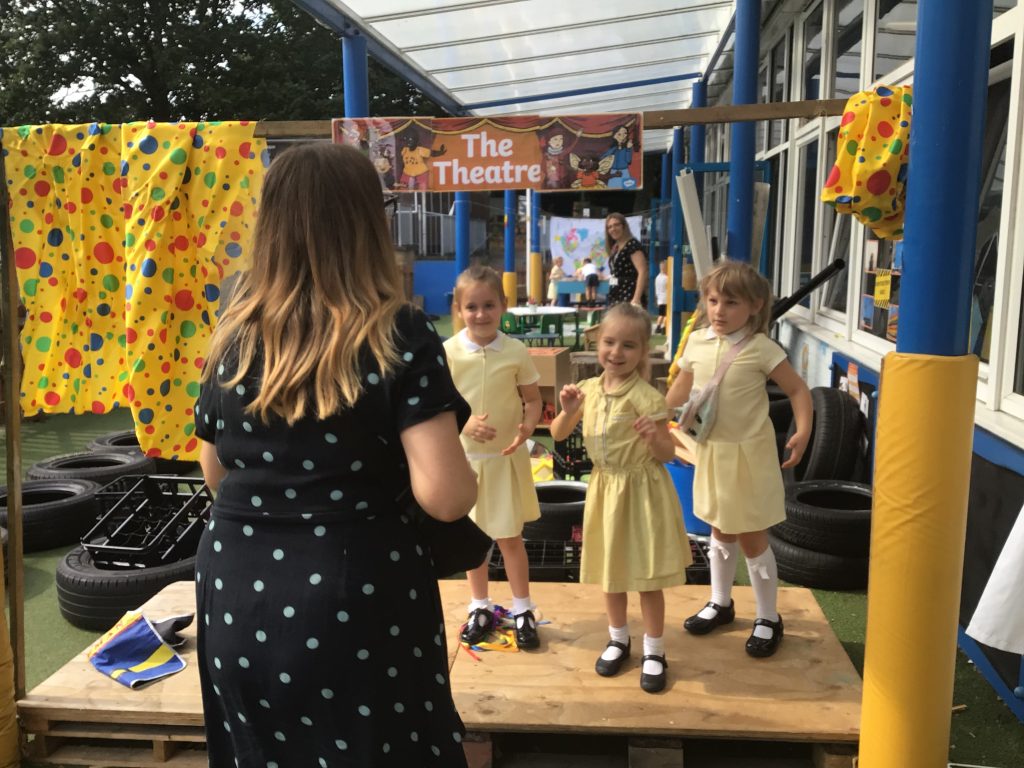
| 9.45 –11.30 | Child initiated learning or Discovery time | The children then move on to Discovery. A time where they can apply the new skills taught that morning. It is also a very important time for children to explore their own ideas for learning and practise social and communication skills with their peers. Staff use this time to record observations of your child learning through play and also carry out small learning tasks to support their development. *During this time children are also encouraged to have their morning snack. |
| 11.30 – 11.55 | Input/direct teaching | The children have a second session of direct teaching before they get ready for lunch. This session is usually number based. |
| 11.55 – 12.45 | LUNCH | |
| 12.45 – 1.00 | Collective act of worship or Reflection time | |
| 1.00 – 1.30 | Reading groups | 1.30- 1.45- This session will be based around subjects such as RE, Science, Art, etc. Children will again be able to apply new skills taught during the Discoverytime that follows. |
| 1.30 – 3.00 | Child initiated learning or Discovery time | Children move on to Discovery. They continue to access resources in the class, to complement their learning. |
| 3.00 – 3.30 | Home time preparation | During this time the class will be expected to help tidy up resources they have used, collect their belongings and gather at the carpet. We use this time to read stories and share thoughts for the day. |
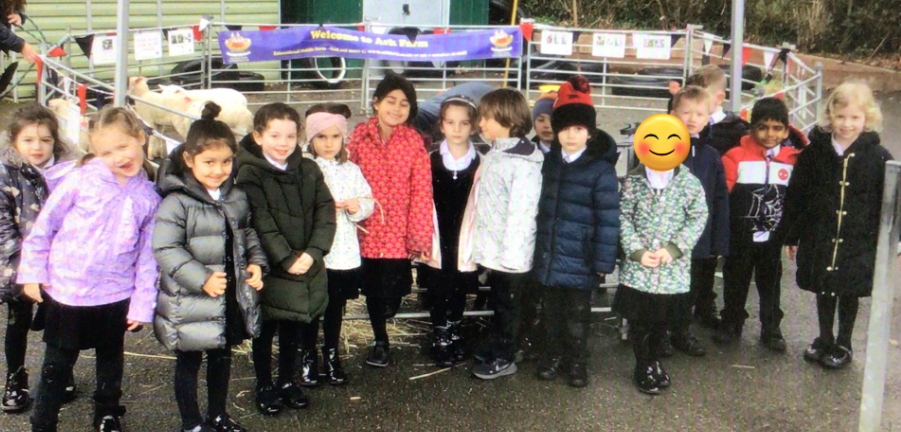
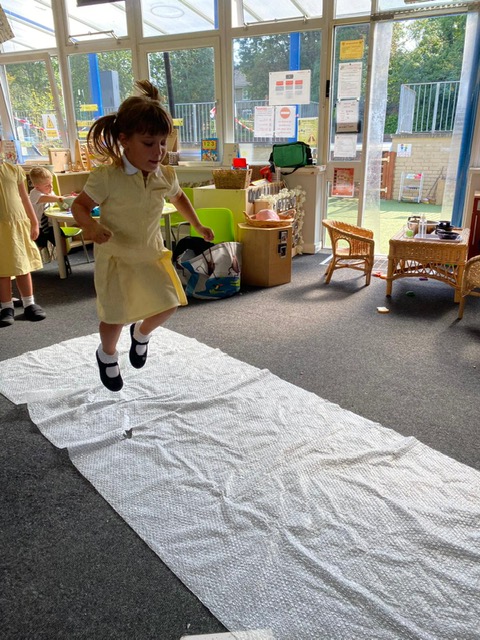
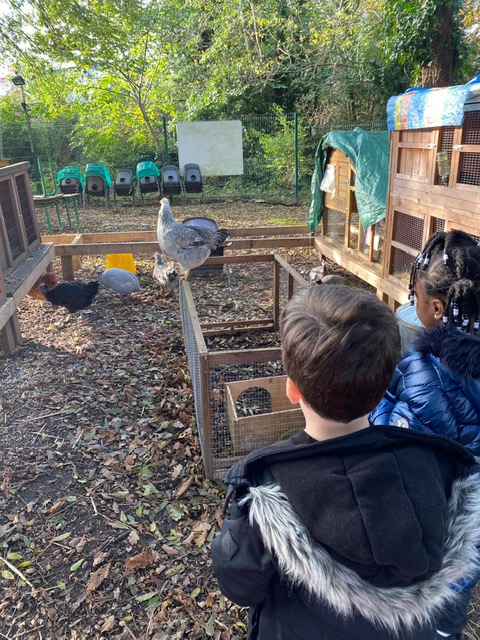
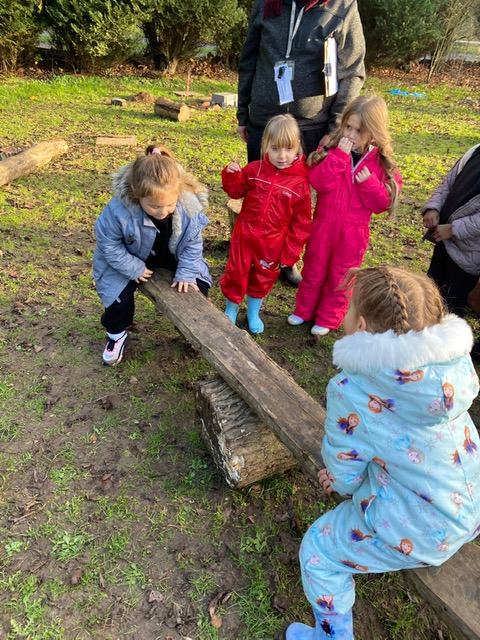
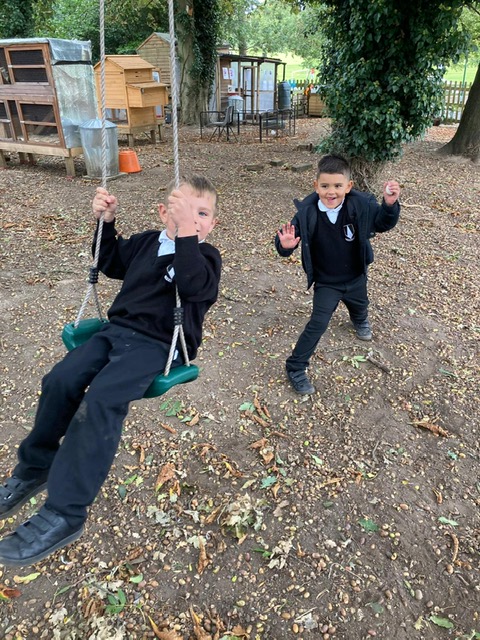
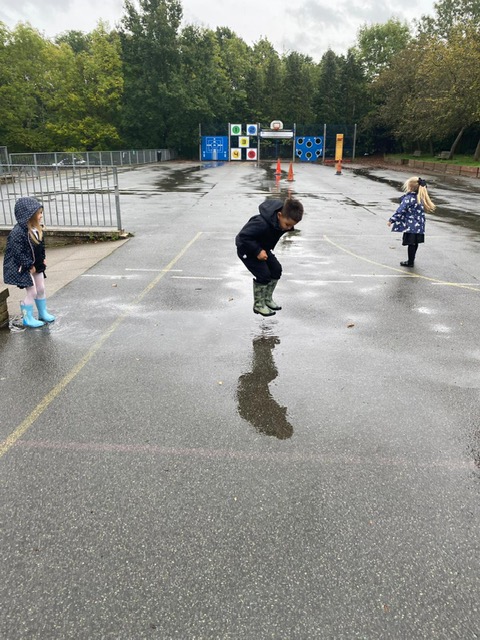
This is a snap shot of a typical day in EYFS. As in any year group there are always variations to the day. As the children settle in we introduce various additions to the timetable. These include PE, Forest Schools and Farm sessions. We are very lucky to have the teachers, teaching assistants and facilities to broaden our children’s learning and experiences outside of the classrooms.
Impact
Within our EYFS Curriculum, children are assessed through accurate observations informing future planning and children’s individual next steps in their learning. This enables us to ensure learning is embedded and consistent and that all children continue to make the best possible progress within our EYFS setting.
Here are some websites which may be useful:
- https://www.foundationyears.org.uk/files/2015/01/EYFS_Parents_Guide-amended1.pdf
- https://www.netmums.com/back-to-school/lunchbox-ideas/
- https://webarchive.nationalarchives.gov.uk/20121003020537/http://www.direct.gov.uk/en/Parents/Preschooldevelopmentandlearning/HelpingYourChildToLearn/DG_10013540
- https://webarchive.nationalarchives.gov.uk/20121003020526/http://www.direct.gov.uk/en/Parents/Preschooldevelopm
| General Documents |
|---|
| EYFS Policy 2025 |